
The modern marketplace moves at a breakneck speed that often leaves traditional research and development models in the dust. For an organization to thrive today, it must master the art of transitioning a raw concept into a profitable market offering with surgical precision. Optimizing the R&D lifecycle is no longer just about laboratory breakthroughs; it is about creating a seamless pipeline that integrates engineering, market analysis, and scalable manufacturing from day one. Many companies struggle with the “valley of death,” where great ideas perish because the transition from prototype to product is too slow or too expensive.
By refining the phases of innovation, businesses can reduce wasted resources and ensure that their technical teams are aligned with actual consumer needs. This optimization process requires a cultural shift toward agility and a willingness to fail fast in the early stages to succeed faster in the final ones. It involves utilizing advanced simulation tools, cross-functional collaboration, and strategic intellectual property management to maintain a competitive edge. Understanding how to navigate the complexities of commercialization is what separates a mere inventor from a market leader. This guide provides a comprehensive framework for anyone looking to accelerate their innovation engine and dominate their industry through superior R&D execution.
The Foundation of Agile Research and Development
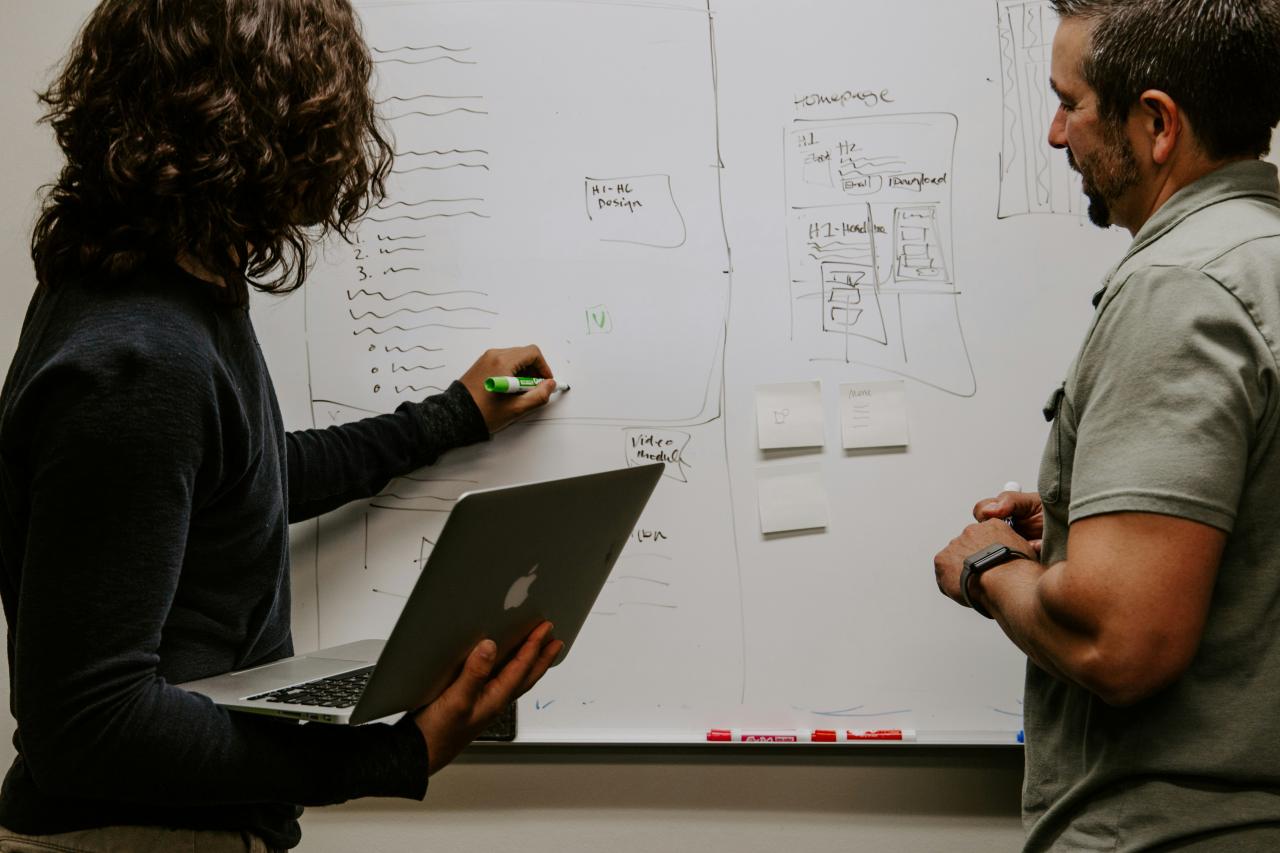
Traditional R&D often follows a “waterfall” model that is too rigid for the fast-paced tech world. The first step in optimization is adopting a more fluid and responsive architectural framework for your projects.
A. The Shift to Concurrent Engineering
Instead of finishing the design before talking to manufacturing, concurrent engineering brings both teams together at the start. This prevents “unbuildable” designs from reaching the final stages, saving months of redesign time.
B. Defining Clear Phase-Gate Criteria
A project must meet specific technical and financial milestones before moving to the next level of funding. This objective “gate” system ensures that only the most viable ideas receive the bulk of the company’s R&D budget.
C. Utilizing Digital Twins for Virtual Testing
Building physical prototypes is slow and expensive. Digital twins allow engineers to test a product’s performance in a virtual environment, identifying flaws before a single piece of hardware is ever manufactured.
Shortening the Path to Market Entry
Commercialization is the process of turning a validated technology into a sold product. The faster this happens, the sooner a company can recoup its initial R&D investment and begin generating profit.
A. Rapid Prototyping and MVP Development
Creating a Minimum Viable Product (MVP) allows a team to gather real-world user data without waiting for a “perfect” version. This feedback loop is essential for making mid-course corrections that align with market reality.
B. Early-Stage Supply Chain Integration
Sourcing components late in the game can lead to massive delays if a specific part is out of stock. Integrating supply chain experts into the R&D phase ensures that the materials chosen are both affordable and readily available.
C. Regulatory Pre-Compliance Checks
For industries like medical devices or aerospace, regulatory hurdles can take years. Starting the compliance process during the design phase prevents a product from being blocked at the finish line by unforeseen legal requirements.
Strategic Intellectual Property Management
Innovation is only as valuable as the protection surrounding it. Managing your IP portfolio is a critical part of the R&D lifecycle that often gets overlooked by purely technical teams.
A. Provisional Patent Filing for Early Security
Filing a provisional patent gives the R&D team a “priority date” while they continue to refine the technology. This allows the company to discuss the product with potential partners without fear of their idea being stolen.
B. Conducting Freedom to Operate (FTO) Searches
There is nothing worse than finishing a product only to find out it infringes on someone else’s patent. Regular FTO searches during the development process ensure that the path to market remains clear of legal landmines.
C. Trade Secret vs. Patent Decisions
Not every innovation should be patented, as patents require public disclosure. Sometimes, keeping a manufacturing process as a trade secret provides a longer-lasting competitive advantage in the global market.
Funding and Resource Allocation Strategies
R&D is expensive, and mismanaged funds can kill even the most promising projects. Successful companies use a portfolio approach to balance high-risk “moonshots” with safe, incremental improvements.
A. The 70-20-10 Innovation Rule
A balanced R&D budget typically allocates 70% to core products, 20% to adjacent opportunities, and 10% to completely transformational, high-risk ventures. This ensures the company stays relevant today while preparing for the future.
B. Leveraging Government R&D Tax Credits
Many governments offer significant tax breaks for companies investing in scientific research. Properly documenting the R&D process allows a business to reclaim a large portion of its spending, which can then be reinvested into more projects.
C. Venture Building and Corporate Spin-offs
If a project is too radical for the main business, it can be spun off into a separate entity. This allows the innovation to grow with the agility of a startup while still being backed by the parent company’s resources.
Cross-Functional Team Synergy
Innovation does not happen in a vacuum. It requires the constant interaction of diverse minds, from mathematicians and engineers to marketing gurus and sales experts.
A. Breaking Down Departmental Silos
Silos are the enemy of speed. Creating “Tiger Teams” that include members from every department ensures that the product is being built with a holistic view of the customer experience.
B. Implementing Scrums and Sprints
Borrowing from software development, hardware R&D can benefit from short, intense work cycles called sprints. This keeps the team focused on immediate goals and prevents the project from dragging on indefinitely.
C. Psychological Safety and Creative Freedom
A team that is afraid to fail will never innovate. Creating an environment where “stupid questions” are encouraged and mistakes are seen as learning opportunities is the secret to true breakthrough thinking.
Data-Driven Decision Making in R&D
Modern R&D thrives on data. From lab results to consumer surveys, every decision should be backed by empirical evidence rather than gut feelings.
A. Advanced Analytics for Market Prediction
AI tools can analyze thousands of market data points to predict which product features will be most successful. This takes the guesswork out of the initial design phase and increases the chances of commercial success.
B. Real-Time Performance Monitoring of Prototypes
IoT sensors embedded in prototypes provide a constant stream of data on how a product is actually performing. This allows engineers to see exactly where a design might fail under real-world stress.
C. Post-Mortem Analysis of Failed Projects
Every failed project is a goldmine of data. Analyzing why a product didn’t make it to market helps the organization refine its processes and avoid making the same mistakes in the future.
Scaling from Prototype to Mass Production
The most difficult transition in the R&D lifecycle is moving from a single working unit to a thousand units per day. This “scale-up” phase is where many innovations fail.
A. Design for Manufacturing and Assembly (DFMA)
A product might work perfectly in the lab, but if it takes ten hours to assemble, it will never be profitable. DFMA focuses on simplifying the design to make mass production as fast and cheap as possible.
B. Pilot Production Runs and Stress Testing
Before committing to a full factory line, a pilot run helps identify manufacturing bottlenecks. This small-scale production phase is the final check to ensure that the quality remains consistent at higher volumes.
C. Automated Quality Assurance Systems
Manual inspections are too slow for rapid commercialization. High-speed cameras and AI-powered sensors can check thousands of units for defects in seconds, ensuring that only perfect products reach the customer.
The Role of Open Innovation and Partnerships
No company has all the answers. Sometimes, the fastest way to commercialize is to look outside your own walls for help.
A. University Research Collaborations
Partnering with academic institutions gives companies access to cutting-edge research and specialized equipment. This “open innovation” model is a cost-effective way to fuel the early stages of the R&D pipeline.
B. Strategic Licensing Agreements
If another company has a piece of technology you need, it is often faster to license it than to build it from scratch. This allows you to focus your R&D efforts on the unique value you provide.
C. Crowdsourcing Ideas and Feedback
Using online platforms to gather ideas from the public can reveal use cases you never considered. It also builds a community of “early adopters” who are excited to buy the product once it finally launches.
Managing the Human Element of Innovation
At the end of the day, R&D is a human endeavor. The way you lead and motivate your researchers is just as important as the technology they use.
A. Incentive Structures for Inventors
Offering royalties or bonuses for patented inventions encourages employees to think outside the box. When the individual benefits from the company’s commercial success, their motivation sky-rockets.
B. Continuous Education and Skill Development
Technology changes so fast that an engineer’s knowledge can become obsolete in a few years. Providing time for staff to learn new tools and methodologies is a vital investment in the company’s innovation future.
C. Leadership that Values Long-Term Vision
R&D often takes years to pay off, which can clash with short-term financial goals. Leaders must be willing to protect the R&D budget during lean times to ensure the company doesn’t fall behind the competition.
Conclusion

Optimizing the research and development lifecycle is the most effective way to ensure long-term market dominance. Rapid commercialization requires a seamless transition from the laboratory to the production line. Agile methodologies allow technical teams to respond to market changes without derailing the entire project. Digital simulation tools are essential for reducing the time and cost associated with physical prototyping.
A robust intellectual property strategy protects your innovations from being commoditized by competitors. Cross-functional collaboration prevents the creation of products that are technically brilliant but commercially unviable. Phase-gate systems act as a vital filter to ensure that only the best ideas receive significant investment. Regulatory and compliance checks must be integrated into the early design stages to avoid late-stage delays. The “valley of death” can be bridged by focusing on scalability and manufacturing feasibility from day one.
Open innovation and strategic partnerships allow companies to fill gaps in their technical expertise quickly. Data-driven decision making removes the emotional bias that often leads to sticking with failing projects too long. Human-centric leadership is the key to maintaining a motivated and creative team of researchers. Design for manufacturing ensures that a product can be produced at the scale and cost required for profit. Ultimately, the goal of R&D optimization is to turn visionary ideas into tangible value for the customer.