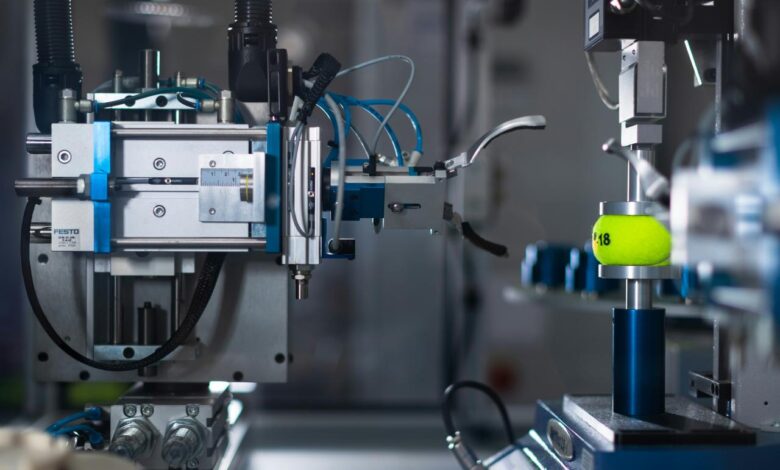
The global industrial landscape is currently undergoing a massive shift as businesses move beyond simple task automation toward a more comprehensive approach known as hyper-automation. This technological evolution involves the strategic combination of multiple tools, including artificial intelligence, machine learning, and robotic process automation, to create a fully autonomous operational environment. In the past, companies were satisfied with automating single, repetitive tasks, but today’s market demands a system that can identify, vet, and automate as many business processes as possible.
This shift is driven by the need for extreme operational efficiency and the desire to eliminate human error in complex data processing. As organizations scale, the sheer volume of information makes manual oversight nearly impossible, necessitating a move toward “intelligent” systems that can think and act without constant supervision. Hyper-automation is not just a buzzword; it represents a fundamental change in how value is created and delivered across every sector of the economy. From manufacturing floors to high-end financial services, the ability to orchestrate a seamless flow of automated workflows is becoming the ultimate competitive advantage.
By integrating these advanced technologies, enterprises can unlock hidden patterns in their data and respond to market shifts with unprecedented speed. This comprehensive exploration will dive into the core components, industrial applications, and future potential of hyper-automation, providing a roadmap for any organization looking to lead in the digital age.
The Technological Pillars Of Hyper-Automation
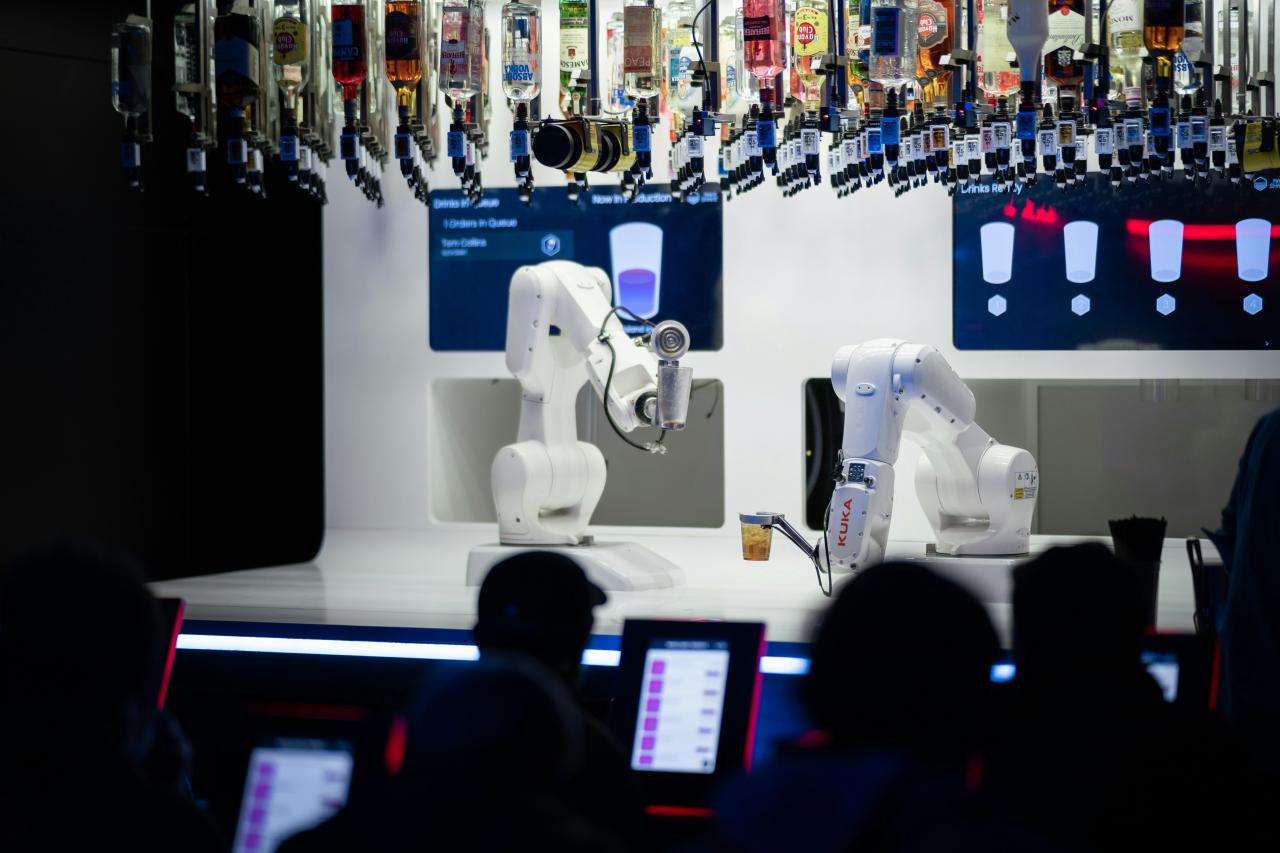
Hyper-automation is built upon a foundation of several distinct but interconnected technologies. When these tools work together, they create a synergy that is far more powerful than the sum of its parts.
A. Robotic Process Automation (RPA)
RPA acts as the “hands” of the system, handling the repetitive clicks and data entry tasks that used to take up hours of employee time. It is the most visible layer of automation and serves as the entry point for many organizations.
B. Artificial Intelligence and Machine Learning
If RPA is the hands, then AI and ML are the “brain.” These tools allow the system to learn from data patterns, make predictions, and handle exceptions that would normally require human intervention.
C. Business Process Management (BPM) Software
BPM acts as the conductor of the orchestra, ensuring that different automated tasks are coordinated in the correct order. It provides the structural framework that prevents automated workflows from becoming chaotic or redundant.
Transforming Manufacturing and Supply Chains
The industrial sector has perhaps seen the most dramatic improvements through the implementation of autonomous technologies. Efficiency on the factory floor is reaching levels that were previously thought to be scientifically impossible.
A. Predictive Maintenance and Equipment Uptime
By using sensors and diagnostic algorithms, factories can predict when a machine is about to fail before it actually happens. This allows for repairs during scheduled downtime, saving millions in lost production costs.
B. Autonomous Inventory and Warehouse Management
Smart warehouses use hyper-automation to track stock levels in real-time and automatically trigger reorders. This eliminates the risk of human counting errors and ensures that high-demand products are always available.
C. Real-Time Logistics and Route Optimization
Hyper-automation allows logistics companies to adjust delivery routes instantly based on weather, traffic, and fuel prices. This dynamic approach ensures the fastest possible delivery while minimizing the environmental footprint.
Enhancing Financial Services and Banking
The banking industry is dealing with an explosion of data that requires rapid and accurate processing. Hyper-automation provides the security and speed needed to handle modern financial transactions.
A. Automated Fraud Detection Systems
Advanced algorithms can scan billions of transactions to find microscopic patterns associated with criminal activity. These systems learn from every attempted hack, becoming more resilient over time.
B. Loan Processing and Credit Risk Assessment
By automating the data collection and verification process, banks can approve loans in minutes instead of weeks. This improves the customer experience while reducing the operational costs of the lending department.
C. Regulatory Compliance and Reporting
Hyper-automation tools can automatically generate the complex reports required by government regulators. This ensures that the bank remains in compliance with the latest laws without needing a massive army of legal clerks.
The Impact On Healthcare And Life Sciences
In the medical field, speed and accuracy can quite literally be a matter of life and death. Automation is helping doctors and researchers move faster than ever before.
A. Accelerating Drug Discovery and Research
Machine learning models can simulate millions of chemical combinations to find potential new medicines. This significantly reduces the time it takes to bring a life-saving drug to the market.
B. Automated Patient Records and Administrative Tasks
Doctors spend too much time on paperwork, but hyper-automation can handle the logging and filing of patient data. This allows medical professionals to focus more of their energy on direct patient care.
C. Precision Diagnostics and Imaging Analysis
AI-driven vision systems can scan X-rays and MRIs to find tumors or anomalies that the human eye might miss. These tools act as a second pair of eyes for radiologists, increasing the accuracy of early diagnoses.
Revolutionizing The Retail Customer Experience
Modern shoppers expect a seamless experience across both digital and physical platforms. Hyper-automation allows retailers to provide a level of personalization that was once reserved for luxury boutiques.
A. Hyper-Personalized Marketing and Recommendations
By analyzing a customer’s entire purchase history and browsing behavior, automation can suggest the perfect product at the perfect time. This leads to higher conversion rates and increased customer loyalty.
B. Automated Customer Support via Intelligent Bots
Today’s chatbots can solve complex problems without ever needing to pass the customer to a human agent. They are available 24/7, providing instant gratification to a demanding global audience.
C. Dynamic Pricing and Competitive Intelligence
Retailers use automation to monitor competitor prices and adjust their own in real-time. This ensures they are always competitive without sacrificing their profit margins.
The Evolution Of Human Resources
Hyper-automation is changing how companies find, hire, and retain their best talent. It makes the “people” side of business more data-driven and efficient.
A. Streamlined Recruitment and Onboarding
Algorithms can filter thousands of resumes to find the best cultural and technical fit for a role. Once hired, automated systems can guide the new employee through all the necessary paperwork and training modules.
B. Employee Performance Tracking and Feedback
Automation allows for a continuous feedback loop rather than a single annual review. This helps employees stay on track and gives managers the data they need to provide meaningful coaching.
C. Benefits Administration and Payroll Accuracy
Managing taxes, health insurance, and retirement funds is a complex task that is prone to human error. Hyper-automation ensures that everyone is paid correctly and on time, every single time.
Improving Energy Efficiency And Sustainability
The “Green Revolution” is being powered by intelligent automation. Companies are using these tools to reduce their carbon footprint while simultaneously lowering their utility bills.
A. Smart Building Management Systems
Hyper-automation can control the lighting, heating, and cooling of a massive office building based on real-time occupancy. This prevents energy waste in empty rooms and lowers the building’s operational costs.
B. Grid Management and Renewable Energy Integration
Managing a power grid with intermittent sources like wind and solar requires split-second decision making. Automated systems can balance the load and store energy efficiently to prevent blackouts.
C. Waste Reduction in Manufacturing Processes
By optimizing the use of raw materials, automated systems minimize the amount of scrap produced during manufacturing. This is better for the planet and better for the company’s bottom line.
Overcoming The Challenges Of Implementation
While the benefits are clear, moving to a hyper-automated model is not without its difficulties. Successful organizations must be prepared to handle these hurdles.
A. Data Silos and Integration Issues
Old “legacy” systems often don’t want to talk to new automation tools. Bridging these gaps requires a robust integration strategy and often a modernization of the entire IT infrastructure.
B. The Skills Gap and Workforce Training
Employees need new skills to work alongside intelligent machines. Companies must invest in massive retraining programs to ensure their staff isn’t left behind by the pace of change.
C. Maintaining Security and Cyber Resilience
An automated system is a high-value target for hackers. Protecting the “brain” of your automation requires a multi-layered security approach that is updated daily.
The Role Of Low-Code And No-Code Platforms
One of the biggest trends in hyper-automation is the democratization of the technology. You no longer need a PhD in computer science to build an automated workflow.
A. Empowering “Citizen Developers”
Low-code platforms allow regular business employees to build their own automation tools. This speeds up the innovation process as the people closest to the problems can build the solutions.
B. Reducing The Burden On IT Departments
When business units can handle their own simple automations, the IT team is free to focus on high-level architecture and security. This creates a more agile and responsive organization.
C. Rapid Prototyping and Deployment
In the past, building a new software tool took months. With no-code platforms, a functional prototype of an automated process can be built and tested in a single afternoon.
Measuring The Return On Investment (ROI)
Hyper-automation is a major investment, and stakeholders want to see clear results. Measuring success requires looking at more than just a single metric.
A. Labor Savings and Task Velocity
The most obvious metric is how much time has been saved by moving tasks from humans to machines. This allows employees to be moved to higher-value work that generates more revenue.
B. Error Reduction and Quality Improvement
Calculating the cost of human errors that were avoided provides a powerful look at the value of automation. In sectors like finance or medicine, this “hidden” ROI can be massive.
C. Scalability and Growth Potential
Automation allows a company to handle 10 times the workload without needing 10 times the staff. This “non-linear” growth is the ultimate goal of any hyper-automation strategy.
The Future Of Autonomous Decision-Making
We are moving toward a future where systems don’t just follow instructions; they make strategic decisions. This “cognitive automation” will be the next major frontier for the enterprise.
A. Self-Healing Systems and Auto-Correction
In the future, when an automated process fails, the system will be able to diagnose the problem and fix its own code. This will lead to near-perfect uptime for critical business systems.
B. Predictive Strategy and Market Simulation
Advanced models will be able to simulate an entire market to predict the success of a new product before it is even launched. This will take much of the risk out of high-level business decisions.
C. Human-Machine Collaboration and Augmentation
The ultimate goal is not to replace humans but to augment our capabilities. We will work in a “symbiotic” relationship with AI, where the machines handle the data and humans handle the creativity and empathy.
Conclusion
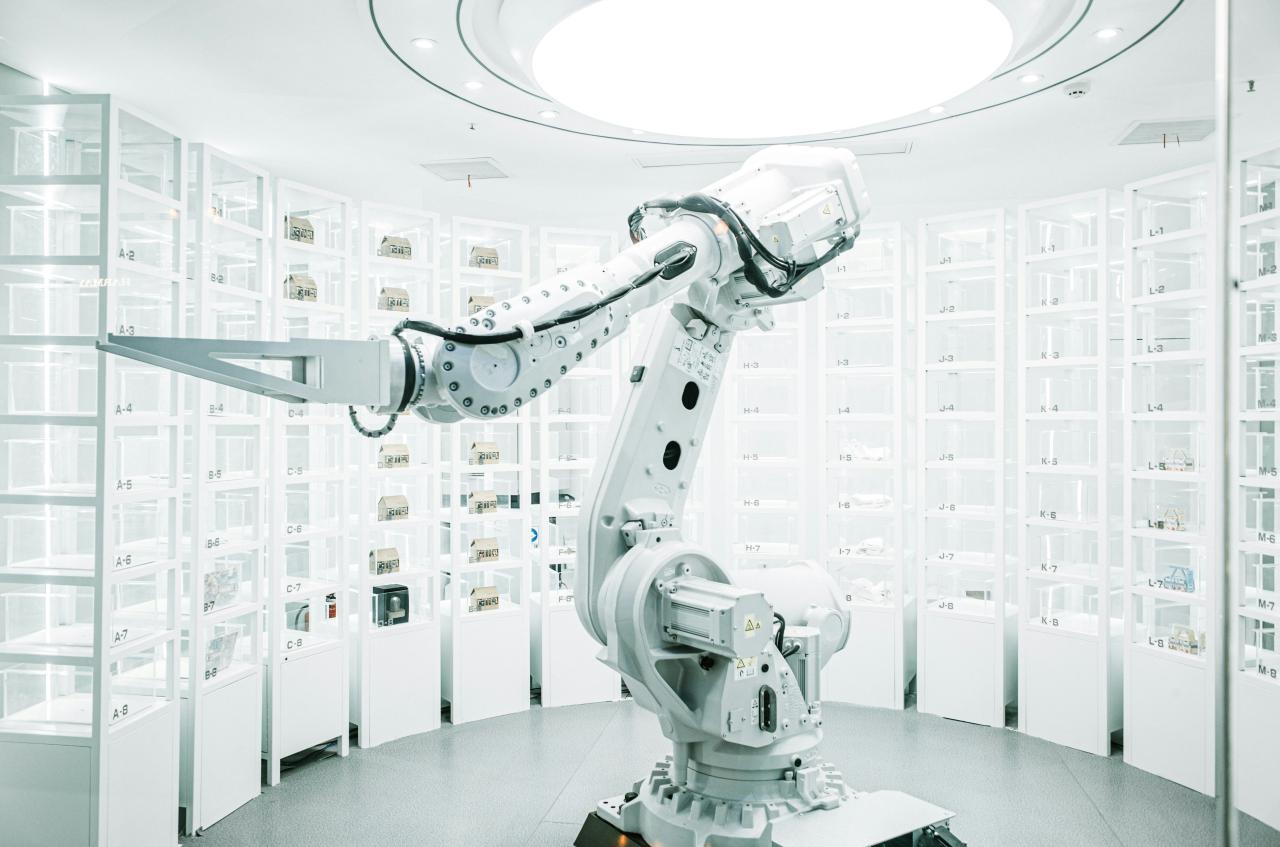
Hyper-automation is the defining technological trend of the modern industrial era. The move toward autonomous operations is no longer an option but a survival requirement. Integrating AI and RPA creates a powerful brain-and-hand synergy for any business. Manufacturing and healthcare are seeing unprecedented gains in speed and accuracy. The democratization of automation through low-code platforms is empowering every employee.
Sustainability and energy efficiency are now directly linked to intelligent automation. Data integrity remains the most important factor in the success of any automated system. A successful implementation requires a deep focus on workforce training and cultural change. Security must be built into the heart of every automated workflow from day one. The financial benefits of automation come from both cost savings and massive scalability. Future systems will move from following rules to making complex strategic decisions.
Human creativity will always be the most valuable resource in an automated world. The most successful companies will be those that can orchestrate a seamless flow of data. Innovation is happening faster than ever, and those who wait will be left behind. Start your journey toward a hyper-automated future by identifying your most repetitive tasks. The potential for human achievement is limitless when we let the machines handle the routine.